A fall idea
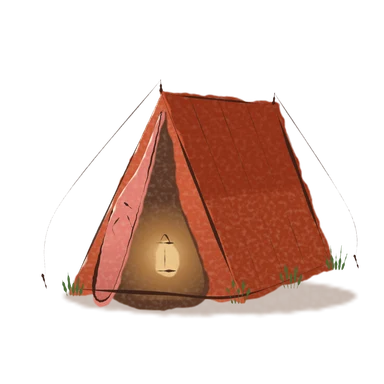
Go camping
a half-day · outdoors · a small treat · Updated
Book a campsite, pack warmer than you think you need, and let the campfire be the whole plan. Check the overnight low before you go.
- Time
- a half-day
- Where
- outdoors
- Who
- a small group
- Cost
- a small treat
What you need
- A tent and sleeping bags (borrow or rent)
- Warm layers and a hat for night
- Firewood bought near the site
Fall camping is quieter than summer, the air is crisp, and the campfire does what it’s supposed to do, which is keep you warm. The only real difference from summer camping is that you must plan for the cold and the early dark. Get those two right, and it’s a very easy trip.
Pick a site and a night
For your first trip, choose a campground you can drive to, so you can bring everything in the car. Look for one with a bathroom, drinking water and marked sites. Book ahead, because fall weekends fill up, particularly in places known for leaf colour. Many campgrounds close for the season, so check dates.
Go with a small group: two to four people is plenty, and it’s easier to share the tent, the cooking and the fire.
Check the forecast, and look at the overnight low, not the daytime high. Fall days can feel mild, and nights drop quickly. As a beginner, aim for a night above freezing. If the low is going to be around freezing or lower, bring cold-weather gear or choose another weekend.
Plan for the light
Days are short in fall. The sun goes down earlier every week, and it gets properly dark.
- Arrive early enough to set up in daylight. Aim to arrive a few hours before sunset.
- Pitch the tent first, then collect firewood, then start cooking.
- Keep a headlamp or flashlight in your pocket, and spares in the tent.
- Plan to spend the long evening around the fire, which is the point.
What to bring
The catalogue has the essentials: a tent and sleeping bags (borrow or rent), warm layers and a hat for night, and firewood bought near the site. Add:
- A sleeping pad. The ground drains heat. An insulated pad matters more than most people expect.
- A sleeping bag rated below the overnight low. If the low is 40°F, choose a bag rated for 30°F or lower. Rentals and outdoor shops can help you choose.
- A tarp or groundsheet under the tent, and a small broom for sweeping out leaves.
- Warm clothes for night, and a dry set only for sleeping. Don’t wear what you wore around the fire, because it’s damp with sweat and smoke.
- A thermos, mugs and something hot to eat. Soup, chili, hot chocolate.
- A headlamp and spare batteries.
- Matches or a lighter, in a waterproof bag.
- A trash bag, because you take everything out with you.
Avoid cotton for layers where you can. It stays wet and cold. Wool and synthetic fabric keep you warmer.
Set up the tent
Choose a flat, dry spot, and clear it of sticks and stones. Don’t camp under dead branches, or at the bottom of a slope where cold air and water collect. Use the pegs, even on a calm evening, and keep the door facing away from the wind. Open a vent a little at night: breath makes condensation, and a closed tent gets damp.
Keep warm at night
- Eat a proper meal and a snack before bed. Your body makes heat from food.
- Go to the bathroom before you get in. It’s miserable to leave a warm bag at 2 a.m.
- Change into dry layers, a hat and thick socks. Don’t wear too much, because tight clothes cut off warmth.
- Put a hot water bottle in your bag. Fill a hard, heat-safe bottle with hot water, close it tightly, and tuck it near your feet.
- Put your sleeping pad on the ground, then your bag on top. Don’t leave your head uncovered.
Fire and safety
A campfire is the best part, and it needs care.
- Use the fire ring at your site, and keep the fire small. Check for fire bans first, as dry autumns bring restrictions.
- Buy firewood near the site. Don’t bring it from home, since it can carry tree pests.
- Never leave a fire alone. Keep a bucket of water or a shovel nearby.
- Keep it away from the tent, and keep sleeping bags, clothes and shoes back from the flames.
- Put it out fully: pour water, stir the ashes, and pour again until the embers are cold to the touch.
- Never use a stove, heater or charcoal inside the tent. They give off carbon monoxide, which you can’t see or smell.
- Store food away from your tent, in your car or in the bear box if the site has one, and follow the campground’s rules about animals.
- Alcohol is optional. It’s for adults 21 and over in the US, and it makes you feel warm while actually cooling you down. Keep a clear head near a fire.
If something goes wrong
- It rains. Stay dry in the tent, or under a tarp strung between trees. Keep wet clothes outside your sleeping area.
- You’re cold. Put on a dry layer and a hat, eat something, and move around. Ask whether anyone has a spare blanket. The car’s heater is a valid backup.
- You forgot something. Check the campground shop, or the nearest town. Most forgotten things can be bought.
- You can’t sleep. Earplugs help with noise, and an eye mask helps with the dawn light.
Make it a fall weekend
Plan the food in advance, so cooking is easy and warm: foil-wrapped dinners, soup, hot chocolate, s’mores. Go on a short walk in the morning before packing up, because the woods look best at dawn. If the sky is clear, put out the fire and lie back for some stargazing before you turn in. And always leave the site cleaner than you found it.
Questions
How do I stay warm camping in fall?
Use a sleeping bag rated lower than the overnight low, and put an insulated sleeping pad under it, because the ground steals more heat than the air. Wear dry layers to bed, a hat, and warm socks. Eat something and drink something warm before you sleep.
What temperature is too cold for a beginner to camp?
As a rule, stay above freezing for your first trip. Check the forecast for the overnight low, not the daytime high, and choose gear rated for it. If the low is near freezing or below, rent or borrow cold-weather gear, or book a cabin instead.
Can I use a stove or heater inside my tent?
No. Never burn a stove, grill, lantern or charcoal inside a tent or any closed space. They give off carbon monoxide, which is odorless and can kill you in your sleep. Only use heaters that are made for tent use, and ventilate them.
Should I bring my own firewood?
It's best to buy firewood near the campsite, as the catalogue says. Moving firewood over long distances can spread tree pests and diseases, and many parks ask you not to. Check the campground's rules for what you can burn and gather.
What do I do if I get too cold at night?
Put on dry layers and a hat, and eat a snack. Do some jumping jacks, then get back into your bag. Fill a hard water bottle with hot water, make sure the lid is tight, and put it in the bag, wrapped in a sock. If you can't get warm, go to the car and run the heater.
Did it? Keep a stamp for it.In the Seasons app, you mark an idea done and it lands in your fall passport. Seasons opens on mobile in November.
Join the waitlist