A fall idea
Watch salmon spawn
a half-day · outdoors · free · Updated
This one is mostly in BC and the Pacific Northwest, plus some rivers around the Great Lakes. In fall the salmon swim upstream to spawn, and you can watch them push against the current from the bank.
- Time
- a half-day
- Where
- outdoors
- Who
- with one person
- Cost
- free
What you need
- A known viewing spot near you
- Shoes that can get wet
- Polarized sunglasses, to see into the water
Watching the salmon run takes a half-day, costs nothing, and is one of the few fall things that is really about the animals. You stand on a riverbank, and fish that have swum from the ocean push up the current in front of you. Most of the work is planning: finding a place that has fish, and getting there in the right week.
What a salmon run is
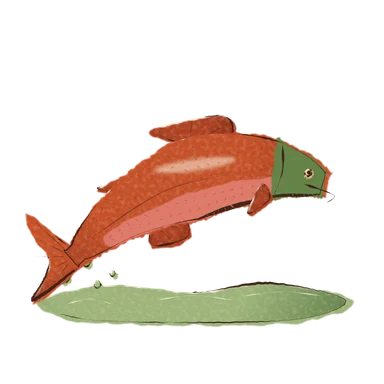
A salmon run is the stretch of weeks when adult salmon leave the ocean (or, around the Great Lakes, the lake) and swim up their home rivers to spawn. From the bank you can expect to see fish pushing against the current, resting in slower pools, and sometimes jumping at small waterfalls. It is slow and quiet watching, not a show on a schedule, so give it some time.
Find a place that has fish
Start with a local source rather than a map. A few places to look:
- Your state, provincial or regional fish and wildlife agency. Many publish where and when fish are running.
- Park and visitor centre pages. Some parks have a salmon viewing platform or boardwalk.
- Hatcheries. A hatchery often has a fish ladder or a creek you can watch, and staff who can tell you what’s running.
- Conservation and river groups, which often run salmon-watching days with a guide.
Where you live decides the species. In BC and the Pacific Northwest the fish are Pacific salmon, such as chinook, coho, chum and sockeye. Around the Great Lakes, some rivers see salmon that were introduced there and run upstream in fall. Runs differ from river to river and year to year, so check a current local source and don’t rely on last year’s dates.
Pick your day
The run usually lasts a few weeks, and the peak depends on the river and the species. Rain matters: many rivers get more fish moving after a good rainfall raises the water. Very high, muddy water makes them hard to see, so look at the forecast and, if you can, the recent river conditions.
Go in the morning or late afternoon. Low light is easier on the eyes, and fewer people are around at the start of the day. Weekends at well-known viewing spots can be crowded, so a weekday is better if you have one free.
What to bring beyond the list
You’ll already have shoes that can get wet and polarized sunglasses. Those lenses cut the glare on the surface, so you can see the fish rather than the sky. Also bring:
- Warm layers. It’s colder next to a river than it looks from the parking lot.
- A waterproof outer layer, in case of drizzle.
- A thermos of something hot.
- Binoculars, if you have them, for fish further out.
- A small towel or spare socks, for the walk back.
How to watch
- Walk the bank slowly and look for a spot where the water is clear and shallow. Fish like riffles, which are the stretches where the water runs quickly over gravel.
- Stand still for a few minutes. Your eyes need time to pick out shapes against the stones.
- Look for fish holding in the slower water behind rocks, and for fish pushing up the faster parts. At the base of a small waterfall you may see them leap.
- Look for the nests. Female salmon dig shallow dips in clean gravel to lay eggs. They show up as pale, cleared patches on the riverbed.
- Take photos with a polarizing filter or hold your sunglasses over the lens to cut the glare.
Stay safe and keep them safe
- Stay on the bank. Riverbanks are slippery in fall, and fast, cold water is dangerous even when it looks shallow. Don’t climb on wet rocks or logs.
- Don’t walk in the river. Stepping on the gravel can destroy eggs. Stay out unless a sign or a guide tells you otherwise.
- Keep dogs leashed and out of the water. Dogs shouldn’t eat or roll in dead fish either.
- Be bear aware in bear country. Make noise as you walk, stay in a group, keep your distance from any bear, and never go between a bear and the river. Check local guidance before you go.
- Don’t fish. Fishing for salmon needs a licence and follows strict rules, and some rivers are closed to it. Watching needs neither.
- Don’t touch the fish. Handling them can harm them and may be against local rules.
What you’ll see, and what’s normal
Salmon that have been upstream for a while can look rough: patchy skin, worn fins and sometimes a body colour quite unlike the silver of the open ocean. Pacific salmon spawn once and die soon afterwards, so you may see fish that are dying or already dead on the banks. It’s normal, and it matters: the bodies feed insects, birds, mammals and even the trees along the river.
Make it a fall afternoon
Make a half-day of it. Go with one friend, walk the river trail, and have a thermos and a snack on a bench by the water. If your river runs through a forest, pair it with a foliage hike so you see colour above the water and fish in it. Take one good photo, then put your phone away and watch for a while. The run only lasts a few weeks.
Questions
What is a salmon run?
It is the yearly trip salmon make from the ocean back up the rivers where they hatched, to spawn. It usually lasts a few weeks in fall, and the timing depends on the river and the species.
When is the best time of day to watch salmon spawn?
Morning or late afternoon, when the light is low and the water is calm. Overcast days are good too, because there is less glare on the surface and you can see further down.
Is it okay to wade into the water to get closer?
No. Salmon lay their eggs in shallow gravel beds, and stepping on them can crush the eggs. Watch from the bank or a viewing platform, and keep dogs leashed and out of the water.
Why do the salmon look battered and discoloured?
Pacific salmon stop eating once they head upstream, and their bodies change colour and wear down as they spawn. Many die soon after spawning, which is a normal part of the cycle.
Do I need to see a bear to enjoy the salmon run?
No, but in parts of BC and the Pacific Northwest bears do feed on salmon, so stay alert, keep your distance and follow the posted signs. If you're worried, choose a staffed viewing area.
Did it? Keep a stamp for it.In the Seasons app, you mark an idea done and it lands in your fall passport. Seasons opens on mobile in November.
Join the waitlist