A winter idea
Go to the beach in winter
an evening · outdoors · free · Updated
For somewhere near the coast or a big lake. In winter the beach is empty and the light is soft. Walk the shoreline, look for shells and sea glass, and stay for the sunset.
- Time
- an evening
- Where
- outdoors
- Who
- with one person
- Cost
- free
What you need
- A warm coat, it's windy
- A thermos
- A pocket for whatever you find
The beach in winter is a different place. It’s empty, the air is clear and the low sun makes everything soft and gold. You walk the shoreline, look for shells and sea glass, and stay for the sunset. It costs nothing and asks for very little, apart from a warm coat. It is also one of the few outings that gets better when the weather is a bit gray.
When and where
This one is for somewhere near the coast or a big lake. Choose a beach you can reach easily, ideally one with a parking lot or a short walk from a station, and some shelter nearby.
Timing matters more than in summer:
- Aim for the last few hours of daylight. Arrive in the afternoon so you can walk first and watch the sun go down. Winter sunsets come early, so check the time and plan to leave while it’s still light enough to find your way back.
- Check the tide. Look up the tide times for your beach. A falling or low tide gives you more shore to walk on, and a rising one can cut off spots near cliffs or rocks.
- Check the wind. A calm day makes everything easier. A strong wind off the water can be unpleasant, even if the air isn’t very cold.
- Check the beach. Some beaches have rules about access or wildlife in winter, such as areas closed to protect nesting or resting birds and seals. Follow any signs.
What to wear and bring
The wind is the main thing. Dress for a colder day than the forecast suggests.
- A windproof coat with a hood, a warm hat and gloves
- Thick socks and sturdy shoes or boots that can get a little wet
- A scarf you can pull over your face if the wind picks up
- A thermos, and something to eat
- A small bag or a pocket for what you find
- A blanket or a sit mat, if you want to stop for a while
- A flashlight or your phone light, in case you walk back at dusk
How to do it
- Arrive with plenty of daylight left, and walk in the direction of the wind first, so it’s at your back on the way home.
- Walk along the shoreline where the sand is firm, and keep a good distance from the water’s edge.
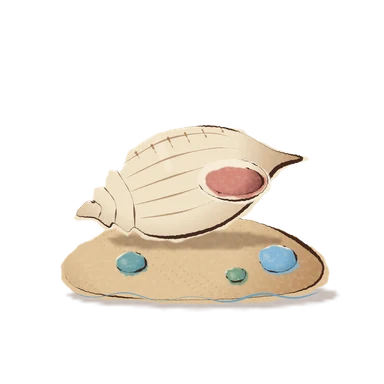
- Look down. Shells, smooth stones, driftwood and sometimes sea glass collect along the line the last tide left behind.
- Pick up one or two things you like, and leave the rest. Check whether your beach has rules about taking shells or stones.
- Stop somewhere sheltered for your thermos, and sit for a while with your back to a dune or wall.
- Watch the sun go down, and stay a few extra minutes for the colours afterwards.
- Walk back before it gets too dark.
Staying safe by the water
Cold water is dangerous, even in shallow depths, and winter waves can be stronger than they look. Don’t turn your back on the sea, don’t go near the water’s edge on a rough day and stay away from rocks, cliffs and piers where the waves break. If you’re by a lake, don’t walk on ice unless it has been checked as safe by local authorities. Tell someone where you’re going and when you’ll be back.
What goes wrong
- The wind is too strong. Walk with it behind you, find shelter in the dunes or a wall, or shorten the plan. It’s fine to turn around.
- You’re cold and tired. Sit down in the shelter, drink something hot and head back before you’re numb.
- You find nothing. Look again after rough weather, or go slowly and look at what’s actually there: the patterns in the sand, the birds, the clouds.
- It gets dark. Plan your walk so you’re back by sunset, and bring a light.
- The tide is coming in. Keep an eye on it, and stay away from places where you could be cut off.
What to do with what you find
Rinse shells and stones in fresh water, and let them dry. Sea glass is smooth and frosted, and looks lovely in a jar on a windowsill. Keep only a few things, and leave the rest for the next walker.
Make it a winter evening
Finish with something warm, such as soup or hot chocolate from somewhere near the shore. If the beach has a view of the sunset, let that be the end of the day. You could also bring a winter picnic and eat it in the shelter of the dunes.
Questions
Is it worth going to the beach in winter?
Yes, if you like quiet. The beach is usually empty, the light is soft and low, and sunsets can be beautiful. Dress warmly and keep your plans simple. It's a walk and a thermos, not a swimming day.
What should I wear to the beach in winter?
A windproof coat, a hat that covers your ears, gloves and warm socks. The wind off the water makes it feel colder than the forecast says. Layers and waterproof shoes help, since sand and shallow water get cold quickly.
Is it safe to walk on the beach in winter?
Generally yes, with care. Stay well back from the waves, check the tide times so you don't get cut off, and never turn your back on the water. Cold water is dangerous even in shallow depths.
What can you find on a beach in winter?
Shells, driftwood, smooth stones and sometimes sea glass. Storms and strong tides bring more things up the shore, so the best finds often come after rough weather, once it has calmed.
Did it? Keep a stamp for it.In the Seasons app, you mark an idea done and it lands in your winter passport. Seasons opens on mobile in November.
Join the waitlist