A fall idea
Plant tulip bulbs for spring
an evening · outdoors · under $20 · Updated
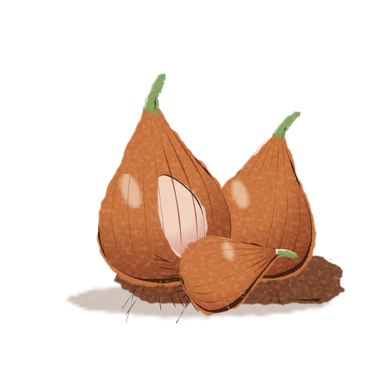
Plant them now, before the ground freezes, and forget about them until spring. Pointy end up, about three times as deep as the bulb is tall.
- Time
- an evening
- Where
- outdoors
- Who
- solo-friendly
- Cost
- under $20
What you need
- A bag of tulip bulbs
- A trowel
- A pot or a patch of soil
Planting tulip bulbs is an evening job that pays off months later. You do it in fall, then forget about them, and one day in spring there’s a flower where there was bare soil. It costs under $20 for a bag of bulbs, and takes an hour or so with a trowel.
When to plant
Tulips need a cold winter to flower, so plant them in fall. The usual advice is to wait until the soil has cooled and before the ground freezes. In much of the northern US, that’s around October to early November. If the ground is still warm, wait a couple of weeks. If it’s already frozen solid, you’ve left it too late for the ground, though a pot may still work.
If you live somewhere with mild winters, tulips need extra help. Many gardeners chill the bulbs in the fridge for a number of weeks before planting. Keep them away from fruit, which gives off a gas that can damage them, and plant them as late in the season as you can.
Buy good bulbs
- Choose bulbs that feel firm and heavy. Skip any that are soft, mouldy or shrivelled.
- Bigger bulbs usually give bigger flowers.
- Check the label for height, colour and flowering time. Varieties differ, and some flower earlier or later in spring.
- Buy them as soon as they’re in stores, and plant soon after. Don’t leave them sitting in a warm place.
Choose a spot
Tulips like sun, so pick a spot that gets a good few hours a day in spring. Partial shade from bare trees is fine, because the leaves won’t have come out when tulips are growing. The soil needs to drain well. Bulbs rot in soggy ground, so avoid places where water pools.
If you don’t have a garden, you can use a pot. See the section below.
Plant them in the ground
- Loosen the soil with a trowel or fork. If it’s heavy clay, mix in some compost or grit to help it drain.
- Dig a hole or a wide trench about three times as deep as the bulb is tall. For most tulips that’s around 6 to 8 inches.
- Place each bulb with the pointy end up and the flat, roots end down. If you can’t tell, plant it on its side and the stem will find its way up.
- Space them a few inches apart. Planting in groups of a few looks better than a single row.
- Cover with soil and press down gently.
- Water well once, to settle the soil. After that, rain is usually enough.
You can add a little compost to the top, or a layer of mulch once the ground cools. It isn’t essential.
Plant them in a pot
A pot works well on a balcony or a step.
- Use a pot with drainage holes, deep enough for a layer of soil below and above the bulbs.
- Fill it partly with potting mix, and set the bulbs on top with the pointy ends up. They can be closer than in the ground, almost touching.
- Cover with more soil, so the tips are well under the surface, and water well.
- Keep the pot where it will stay cold but not freeze solid, such as a sheltered spot against a wall or an unheated garage. Bring it into the light when you see shoots in spring.
- Water only if the soil is dry. Don’t let it sit in water.
Protect them from animals
Squirrels, voles and deer can dig bulbs up or eat them. If you’ve had trouble, lay a piece of wire mesh or chicken wire over the planting area and weigh down the edges. Remove it when you see shoots. Planting deeper also helps.
Safety
- Tulip bulbs are toxic if eaten, especially for dogs and cats, and handling them can irritate skin. Wear gloves, and wash your hands.
- Don’t leave open bags or freshly dug beds where pets can reach them.
- Don’t dig near buried pipes or cables. If you’re in a rental or shared garden, ask first.
What to expect in spring
Green shoots usually appear in early spring, and flowers a few weeks later. Tulips often do best in their first year, and some varieties give fewer flowers each year afterwards. Once the flowers fade, let the leaves die back naturally, because they feed the bulb for next year.
If nothing comes up, it’s usually because the bulbs rotted in wet soil, got eaten, or were planted too shallow or too late. It happens, and it’s easy to try again next year.
Make it a fall evening
Plant them with a podcast on, in your old jeans, with a mug of tea beside you. Do it on a day you’ve been out raking a leaf pile, when your hands are already dirty. Then leave them alone, and let the winter do the rest. You’ll have a small reminder of this fall waiting in the ground.
Questions
When should I plant tulip bulbs?
In fall, once the soil has cooled and before the ground freezes hard. In many cold-winter areas that means October to November. Tulips need a cold winter before they flower.
How deep do you plant tulip bulbs?
About three times as deep as the bulb is tall, which is usually 6 to 8 inches for a standard bulb. Plant them with the pointy end up, spaced a few inches apart.
Can I plant tulip bulbs in pots?
Yes. Use a pot with drainage holes and good soil, and plant the bulbs close together. In cold areas, keep the pot somewhere sheltered so it doesn't freeze solid.
Do I need to do anything if I live somewhere warm?
In areas with mild winters, tulips often need an artificial chill. Many gardeners keep the bulbs in the fridge for several weeks before planting, away from fruit, which gives off a gas that can harm them.
Are tulip bulbs poisonous?
Tulip bulbs are toxic if eaten, to people and especially to pets, and they can irritate skin. Wear gloves, and keep bulbs and freshly dug beds away from dogs and cats.
Did it? Keep a stamp for it.In the Seasons app, you mark an idea done and it lands in your fall passport. Seasons opens on mobile in November.
Join the waitlist