A fall idea
Jump in a leaf pile
10 minutes · outdoors · free · Updated
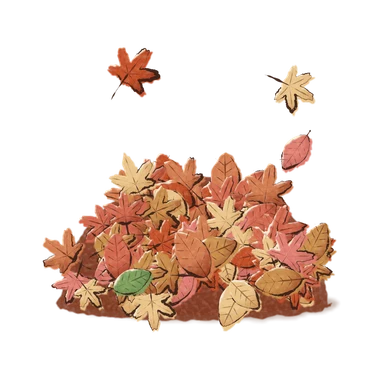
Rake up a pile big enough to be worth it, then jump. Check it for sticks and rocks first.
- Time
- 10 minutes
- Where
- outdoors
- Who
- with one person
- Cost
- free
What you need
- A rake
- A yard or park with lots of leaves
- Someone to film it
Jumping in leaves takes about ten minutes of raking and about three seconds of jumping, and it’s still worth it. It’s a free thing to do on a day when you only have a small window, and it feels completely different the first time you land in one as an adult.
Find the leaves
You need a lot of leaves, and the more the better: a yard with big trees, a park, a quiet street lined with maples or oaks. Peak leaf fall is usually a few weeks after peak colour, so if the trees are bare, you’re past it. If the leaves aren’t down yet, wait for a windy day.
Ask before you rake someone else’s yard, and check the rules in public parks. Some parks don’t allow it, and some are happy for people to use fallen leaves.
Pick a dry day. Dry leaves rake easily, pile high and make that crunch. Wet leaves clump together, stick to the rake and go flat. If it’s rained, wait a day or two, and rake in the afternoon once the sun has dried them out.
Build the pile
- Choose a spot. Flat, open grass, well away from roads, driveways, fences and walls. Check that you won’t be on top of a hose, a sprinkler head or a stump.
- Rake in rows. Pull the leaves into long lines, then rake the lines into one big heap.
- Go wide. A good pile is a few feet across and at least knee-deep. A wide, flat pile is safer to land in than a tall, narrow one.
- Don’t pack it down. The pile should be fluffy. Fill in any thin spots, particularly at the edges.
- Tidy the edges so you aren’t landing next to the bare ground.
If you don’t have a big rake, use your hands, or ask a friend. It goes faster with two or three people, and there’s no shame in raking a pile while someone films.
Check it first
This is what the catalogue means by checking for sticks and rocks, and it’s the most important step. Leaves hide things.
- Push your rake or your foot through the whole pile.
- Remove sticks, stones, glass, nails or garden tools.
- Look for animal droppings, especially in parks, and avoid those piles.
- Look out for anything wet, sharp or heavy under the leaves. If you can’t see the bottom, don’t jump.
If you have hay fever, asthma or a dust allergy, be aware that leaf piles can kick up dust and mold. A mask makes it more comfortable, and it’s fine to skip jumping and just enjoy the rake.
Jump safely
- Jump from the ground. Run and dive from standing height. Don’t jump from a step, a wall, a roof, a tree or a vehicle.
- Land flat. Aim to hit the middle of the pile with your whole body, not on one hand or foot.
- Keep your head and face covered. Tuck your chin and keep your arms in.
- Go one at a time. Two people landing on top of each other is how someone gets hurt.
- Stop if the pile flattens. Rake it back up, or build another.
Pile and jump, and photograph the second one, because the first is usually a surprise to everyone. A good video is a slow-motion one from the side.
What to wear
- Old, comfortable clothes, because leaves leave dust, damp patches and twigs in your hair.
- Closed shoes, not sandals.
- A hat, so you don’t have to pick leaves out of your hair for an hour. A hoodie works too.
- Gloves for raking, if your hands blister easily.
If something goes wrong
- The leaves are damp. Wait for a drier day, or spread them on a tarp in the sun for an hour.
- There aren’t enough leaves. Gather from your neighbor’s yard (with permission), or look at a street lined with maples. Or go to a park with lots of trees.
- The pile is too low. Make it wider and add more. A thin pile just feels like the ground.
- A leaf pile in the road. Never leave one in the street. It’s slippery for cars and bikes, and it can block drains.
Clean up
When you’re done, don’t leave leaves in a place they shouldn’t be.
- Rake them onto flower beds or around shrubs as mulch.
- Add them to a compost bin or pile. Leaves are an ideal “brown” material.
- Bag them for your local yard-waste collection, if you have one.
- Keep them out of the road, gutters and storm drains, where they can block the water.
Don’t burn them: open burning is banned in many places, and the smoke is bad for you.
Make it a fall afternoon
Make the jump the start of something, not all of it. Rake with a friend, then walk to get a hot drink and eat something warm. If your tree-filled yard has leaves left, press the best ones: pressing leaves turns the prettiest of them into something you can keep. A leaf pile also pairs well with a trip to the pumpkin patch on the same afternoon.
Questions
How big should a leaf pile be to jump in?
Big enough that you land in it rather than on the ground: roughly knee-deep or more, and a few feet wide on each side. Pack the leaves lightly and keep the pile wide and flat, not tall and narrow.
What kind of leaves make the best pile?
Dry ones. Dry leaves are light, crunchy and springy, and they pile up high. Wet leaves are heavy, slippery and flat, and they can hide a surprise underneath. Wait a day or two after rain, and rake in the afternoon when the leaves have dried.
Is it safe to jump in a leaf pile?
Mostly, yes, if you check the pile first. Rake it through for sticks, rocks and anything sharp, never build one near a road or driveway, and don't jump from a height such as a step, a wall or a roof. If you have allergies, a mask helps with the dust and mold.
What do I do with the leaves afterwards?
Rake them back onto a flower bed or lawn edge as mulch, add them to a compost pile, or bag them for your local yard waste pickup. Don't push them into the road or over a storm drain.
Did it? Keep a stamp for it.In the Seasons app, you mark an idea done and it lands in your fall passport. Seasons opens on mobile in November.
Join the waitlist