A winter idea
Go ice skating
an evening · outdoors · under $20 · Updated
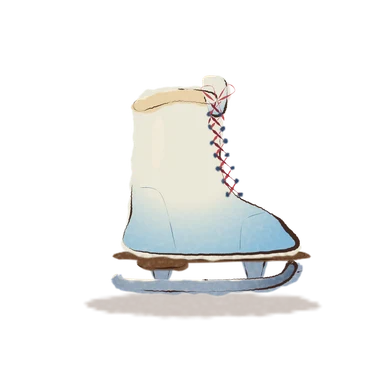
Find a rink near you. Lots of towns put up an outdoor one for the winter, and indoor rinks run public skate sessions all year. Hold the wall for the first lap, then let go.
- Time
- an evening
- Where
- outdoors
- Who
- a small group
- Cost
- under $20
What you need
- Thick socks
- Gloves, for when you fall
- Cash for skate rental
Learning how to ice skate takes one evening, a rink and a bit of patience with your ankles. You don’t need to be good at any other sport first, and almost everyone on the ice around you is wobbly too. An hour on the ice is plenty for a first time.
When and where
Pick a public session at an indoor rink, or at an outdoor one put up for the winter. Weekday afternoons and early evenings are usually quieter than weekend nights, and a quiet rink is much easier to learn on. Some rinks run beginner or learn-to-skate sessions, which are worth asking about.
Check the rink’s website or call before you go. Public sessions have set times, and the ice is sometimes closed for events or resurfacing.
Stay off frozen ponds and lakes. Ice that looks solid can be thin, and thickness changes from one spot to the next. Skate on a maintained rink, or on natural ice only where local authorities have said it’s checked and open for skating.
What to wear
Beyond the list above, dress for moving:
- Thin layers, so you can take one off when you warm up.
- Long, stretchy pants. Jeans work, but they get wet and cold if you fall.
- Gloves. They keep your hands warm and protect them on the ice.
- A hat or headband, and a short scarf tucked in, or none.
- Socks that are thin but warm. Very thick socks make the boot too tight and can cause cramps.
A helmet is a sensible choice on a first day if the rink offers one.
How to do it
- Get fitted. Rental skates should feel snug. Lace them firmly around the ankle so it doesn’t wobble, a little looser over the toes. Stand up and check you can still wiggle your toes.
- Step onto the ice. Hold the barrier at the entrance and bring one foot on, then the other.
- Stand at the wall. Bend your knees slightly, keep your head up and your weight over the middle of your feet. Looking down at your feet makes you lean.
- Shuffle. Take small steps with your feet pointing slightly out, like a penguin, one hand on the wall.
- Glide. Push gently off with one foot, then lift it and let the other carry you for a second. Hold your arms out a little for balance.
- Learn to stop. Turn your toes in, bend your knees and push your heels outward. Practise it slowly before you try it while gliding.
- Let go of the wall. After a few laps, take a few steps away from it and come back. Go a bit further each time.
How to fall
Everyone does. Bend your knees as you start to go and drop to the side, onto your hip or bottom, rather than backward onto your hands or head. Don’t leave fingers spread on the ice, where other skates can run over them. Once you’re down, get up promptly: roll onto your hands and knees, put one skate flat on the ice, then the other, and push up.
What goes wrong
- Ankles bend inward. The laces are too loose. Re-lace firmly around the ankle, or ask the rental desk for help.
- Feet hurt. The skates may be too tight, or the socks too thick. Ask to swap sizes.
- You keep leaning back. That’s fear of falling forward. Bend your knees, lean the tiniest bit forward and keep your eyes up.
- You’re cold. You’re probably not moving enough. Keep gliding, or take a break with something hot.
- The rink is packed. Come back at a quieter time. It’s much less stressful.
After the rink
Take your skates off as soon as you’re off the ice, because your feet will be glad of it. Change into dry socks if yours are damp. Many rinks have a snack bar, and a hot chocolate is more or less part of the tradition.
Make it a winter evening
Go with one or two friends, laugh at each other’s first laps, and finish with a hot chocolate on the way home. Evening sessions often have the lights on, which makes the whole thing feel like winter.
Questions
Is ice skating hard for beginners?
Standing up is the hardest part. Most people are gliding along the wall within the first half hour, and a few laps later they let go of it. Everyone falls a little, so don't take it personally.
What should you wear to go ice skating?
Thin layers you can take off, long stretchy pants, gloves and a hat. A rink feels colder than it is once you start moving. Skip scarves with long ends, which can catch on things.
How do you stop on ice skates?
The simplest stop for a beginner is the snowplough: turn your toes in slightly, bend your knees and push your heels outward until you slow down. Until then, the wall is a perfectly good brake.
Should you rent skates or buy them?
Rent for your first few times. Rental is usually a small extra cost at the rink, and you'll find out whether you like skating before you spend anything on boots.
Did it? Keep a stamp for it.In the Seasons app, you mark an idea done and it lands in your winter passport. Seasons opens on mobile in November.
Join the waitlist