A winter idea
Go on a winter hike
a half-day · outdoors · free · Updated
Trails are quiet in winter and you can see further through the bare trees. Pick an easy route you know, start early because it gets dark soon, and tell someone where you're going.
- Time
- a half-day
- Where
- outdoors
- Who
- with one person
- Cost
- free
What you need
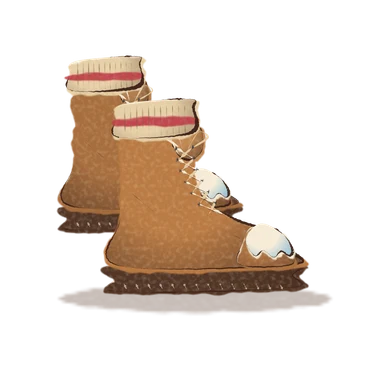
- Boots with good grip
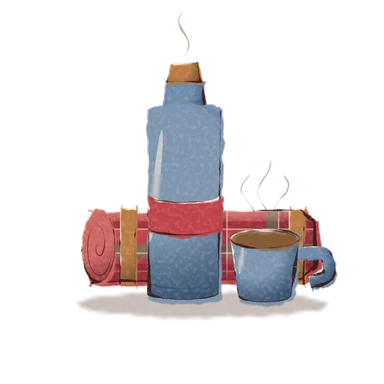
- A thermos and a snack
- The sunset time
Winter hiking is the same walk, just quieter. The crowds thin out, bare trees open up views you can’t see in summer, and the whole place has a hush. It takes half a day on an easy route, and mostly it asks for a bit more planning than a summer walk: layers, grip and an eye on the clock.
When and where
Choose a trail you already know, or an easy, well-marked one: short, with gentle slopes and no cliffs, river crossings or exposed edges. Familiar ground is far easier when snow hides the path.
Check these before you go:
- Trail conditions. The park’s website or a local hiking group will say whether the trail is snowy, icy or closed.
- The weather. Skip days of heavy snow, freezing rain or strong wind.
- Sunset time. Winter days are short. Start in the morning, decide on a turnaround time, and plan to be back well before sunset.
- Your plan. Tell someone where you’re going and when you expect to be back.
If you’re driving to the trailhead, check the road conditions, and leave plenty of time.
What to wear and bring
Beyond the list above, layers matter most.
- A base layer that wicks sweat, a warm middle layer, and a windproof, waterproof outer. Avoid cotton.
- A hat, gloves and wool socks, plus a spare pair of socks in your bag.
- A small backpack with water, snacks, a charged phone and a spare warm layer.
- A headlamp or small flashlight, just in case. Don’t count on needing it.
- Traction devices for your boots if the trail is icy.
- Sunglasses, since snow is bright.
Don’t dress for the parking lot. Start slightly cool, because you’ll warm up in ten minutes, and add a layer when you stop.
How to do it
- Start early. You want daylight on both sides of the walk.
- Warm up slowly. The first ten minutes feel cold. Don’t pile on extra layers yet.
- Take off a layer before you sweat. Sweat cools quickly when you stop, so it’s worth unzipping and removing things as you go.
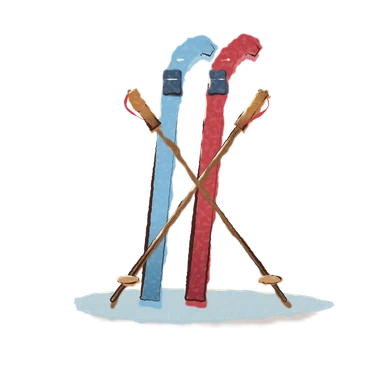
- Take small steps on snow and ice. Keep your weight over your feet, and use poles if you have them.
- Snack often. Your body burns more in the cold. Little and often works better than one big stop.
- Stop in the sun. Put your extra layer on straight away when you stop, before you cool down.
- Turn around on time. If you reach your turnaround time before the end, turn anyway. The view will still be there.
What to look for
The best thing about a winter walk is how much you can see. Bare branches show up birds’ nests and hillsides you’d never notice in summer, and fresh snow records who has passed: animal tracks, in a clean line, are easy to spot. A frozen puddle or a frosted leaf is worth stopping for. Take a few photos, but keep moving, because standing still is how you get cold.
Take care around frozen water. Never walk onto a frozen lake, pond or stream unless local guidance says the ice has been checked. Snow can hide streams and thin ice, so stay on the trail.
What goes wrong
- Wet feet. Cold, wet feet are the quickest way to end a hike. Change socks, and next time pick waterproof boots.
- Slippery trail. Slow down, shorten your stride, and put on traction devices if you have them.
- Getting cold when you stop. Add a layer right away and keep moving.
- Losing the path. Snow can hide a trail. If you can’t find it, go back the way you came, and use your phone or a map.
- Running low on daylight. Turn back early, and don’t take shortcuts.
After the hike
Change into dry clothes as soon as you get back to the car, and drink something hot. Wet boots can go on a mat or near a warm spot to dry, but not right next to a heater.
Make it a winter day
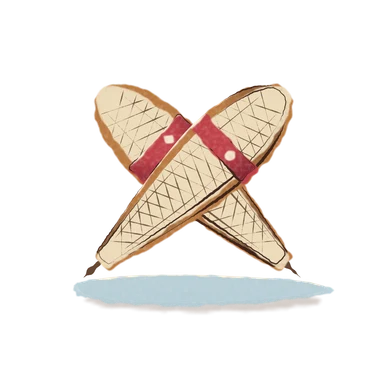
Take a thermos, walk early and be home with the light still gold. If there’s snow, you might try snowshoeing on the same trails, and a bowl of chili afterwards is exactly right.
Questions
What should I wear for winter hiking?
Wear three layers: a thin base that wicks sweat, an insulating middle layer and a windproof, waterproof outer. Add a hat, gloves and wool socks, and avoid cotton, which stays wet.
How early should I start a winter hike?
Start in the morning and plan to be back well before sunset. Winter days are short, and trails get cold and hard to follow in the dark. Check the sunset time and turn around early.
Do I need special boots for winter hiking?
You need waterproof boots with good grip. On icy or packed snow trails, slip-on traction devices over your boots can help a lot, and many outdoor shops sell them.
Is it safe to hike alone in winter?
It's safer with a friend, and if you do go solo, pick a popular, easy trail and tell someone your route and return time. Carry a charged phone and extra warm layers.
Did it? Keep a stamp for it.In the Seasons app, you mark an idea done and it lands in your winter passport. Seasons opens on mobile in November.
Join the waitlist