A winter idea
Go snowshoeing
a half-day · outdoors · under $20 · Updated
For a snowy place. If you can walk, you can snowshoe. Many parks and outdoor shops rent them by the day, and an easy trail through quiet woods is the whole point.
- Time
- a half-day
- Where
- outdoors
- Who
- with one person
- Cost
- under $20
What you need
- Snowshoe rental
- Waterproof boots
- Layers you can take off as you warm up
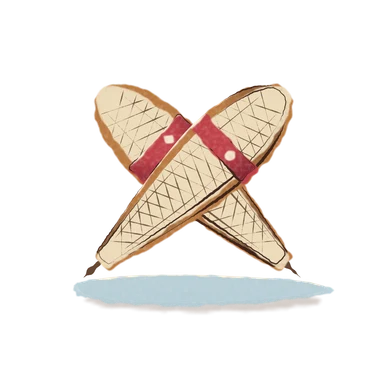
Snowshoeing for beginners is mostly walking, with big flat shoes on. The shoes spread your weight across the snow so you stay on top instead of sinking in, which is why a quiet trail in deep snow becomes something you can just stroll. It takes a half-day and, once you’ve rented, there’s little to learn.
When and where
You need enough snow, so check the trail conditions first: a few inches isn’t enough to float on. Look for a park or nature area with marked, gentle trails, ideally one that rents gear on site. Many parks and outdoor shops rent snowshoes by the day, and some run guided walks, which are good if you’ve never done it.
Go in the morning, so you have the whole daylight to finish in. Check the forecast, and avoid days of heavy snow, strong wind or very low temperatures. Tell someone where you’re going and when you plan to be back.
Choose a flat or gently rolling trail. Avoid steep slopes and anything near lakes, rivers or cliffs, where the snow may hide a drop or thin ice.
What to wear and bring
- Waterproof boots with some room for thick socks. Snowshoes strap onto ordinary boots.
- Layers: a thin base, something warm, and a windproof outer. You’ll warm up quickly, so you want to be able to take things off.
- Wool or synthetic socks, not cotton.
- Waterproof gloves and a hat.
- Water, a snack and sunglasses, since snow glare is bright.
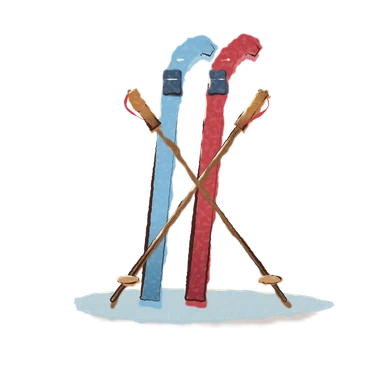
- Trekking poles, if the rental place offers them.
How to do it
- Rent the right size. Snowshoes are sized by your weight, including your pack. The rental place will help you pick.
- Strap in. Put your boot in the binding with the toe forward, tighten the straps so your boot doesn’t slide, and check them again after a few steps.
- Walk with a slightly wider stride. Keep your feet a little apart so the frames don’t catch each other.
- Take your time. Your pace will be slower than walking. That’s the point.
- Going uphill. Take shorter steps and kick the toe into the snow. A pole in each hand helps.
- Going downhill. Bend your knees and lean back slightly, and keep your steps short.
- Backing up. You can’t walk backward easily. Turn in a wide circle instead.
Reading the snow
Snow isn’t all the same, and a little knowledge makes the day more interesting. Fresh powder is soft and quiet. Packed snow on a popular trail is firmer, and you may not need snowshoes at all, so ask at the rental place whether the trail is packed. Wet, heavy snow is harder work. In the woods you may see animal tracks in the snow, such as the small, paired prints of a squirrel or the neat line of a fox. You don’t need to identify them to enjoy them.
Stay off the track that cross-country skiers are using if there is one, because snowshoes can wreck the grooves. Walk beside it, and yield to anyone coming downhill.
What goes wrong
- Snowshoes keep catching. Widen your stance a little.
- Boots feel loose in the bindings. Tighten the straps, and stop to check them after the first few minutes.
- Too hot. Take a layer off before you start sweating. Wet clothes cool fast when you stop.
- Too cold. Add a layer at the first stop, and keep your hands warm.
- Falling. Snowshoes are easy to trip over if you step on one with the other. Get up by rolling to your knees first, and take the poles’ straps off your wrists.
After the trail
Take off your damp layers and change your socks. Pack a thermos in the car, and a dry top and socks to change into. Most people feel more tired than they expected, in a pleasant way.
Make it a winter day
Go early on a quiet weekend, stop partway for a snack in the snow, and end the afternoon with a hot drink. It sits well alongside a winter hike, and the same layers work for both.
Questions
Is snowshoeing hard for beginners?
No. If you can walk, you can snowshoe. The main difference is a slightly wider stride, and it's a better workout than it looks, so start with a short, flat route.
What do you wear snowshoeing?
Waterproof boots, wool or synthetic socks, and layers you can take off. Avoid cotton, which stays wet. Snow pants or water-resistant pants and gloves are useful, and gaiters keep snow out of your boots.
Do you need poles for snowshoeing?
Poles are optional but helpful, especially on hills and uneven ground. Many rental places include them or offer them for a small extra cost.
How do you walk uphill and downhill in snowshoes?
Uphill, kick the front of the snowshoe into the snow and step up, or climb straight if there are heel lifts. Downhill, take short steps with your knees bent and your weight slightly back.
Did it? Keep a stamp for it.In the Seasons app, you mark an idea done and it lands in your winter passport. Seasons opens on mobile in November.
Join the waitlist