A fall idea
Pick a pumpkin at a pumpkin patch
a half-day · outdoors · under $20 · Updated
Walk the whole patch before you choose. The right one is rarely the first one, and the lopsided ones have the most personality.
- Time
- a half-day
- Where
- outdoors
- Who
- with one person
- Cost
- under $20
What you need
- Boots, the fields get muddy
- A wagon, or a strong friend
- Something to cover the car seat
A pumpkin patch is a half-day outing, and it costs less than most things you will do this fall. Most patches charge by the pumpkin or by size, and a lot of them add other things: a hayride, a corn maze, a snack stand. It is a good one to do alone or with a friend, and no one will mind if you spend twenty minutes choosing.
Choose when to go
Pumpkins are ripe from about early autumn through late October, and patches are usually open on weekends first. The best choice is early in the season, or on a weekday, because the large, even pumpkins go first. The weekend before Halloween is busy and the field is usually well picked over.
Check the patch’s page before you leave. Hours change, and some farms close early when it rains or on days when the ground is too wet.
How to choose one
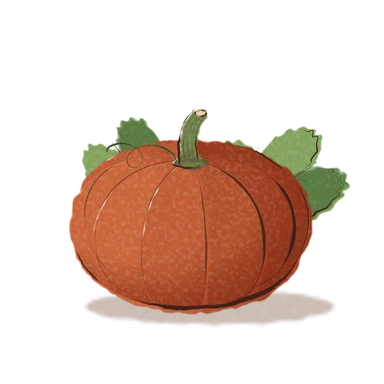
Walk the whole patch before you pick. The best pumpkin is rarely the first one you see, and the lopsided ones have the most personality. Once you have a few candidates, check each for:
- Weight. A good pumpkin feels heavy for its size.
- The stem. It should be firm, dry and attached. A soft, wobbly or missing stem is a bad sign.
- The skin. Look for an even colour and a hard rind. Avoid soft spots, cuts, mould and any dents that press in.
- The bottom. Turn it over. Rot starts here first, and a flat base means it will sit steady on a porch.
- The shape, for carving. Choose a smooth face with enough flat area for what you have in mind. Tall and narrow pumpkins are easier to carve a face into than very round ones.
Pick the pumpkin you actually like looking at. You will see it every day for weeks.
Carving or cooking
Not every pumpkin is meant for the same job. Carving pumpkins are large, with thin walls and watery, stringy flesh. That makes them easy to scoop out, and the walls are right for cutting, but they do not taste of much. Smaller pie or sugar pumpkins have denser, sweeter flesh and are the better choice for pumpkin bread or soup. Many patches label each pile, and if they do not, staff will tell you.
If you are choosing a pumpkin to decorate instead of cut, a painted pumpkin works well on a smooth, hard-skinned one.
Getting it home
Carry the pumpkin from underneath, with both hands, and never by the stem. If it is heavy, take a wagon, or ask a friend. Many patches have wagons you can borrow.
In the car, put something under it. Pumpkins can be dusty, wet and sometimes leaky, so an old towel, a bag or a blanket protects the seat. Do not stack them on top of each other.
If something goes wrong
- It is too heavy. You will notice this at the car. Choose a size you can lift easily and carry up the steps.
- It goes soft on the bottom. It was already starting to rot. Compost it, and next time check underneath before you buy.
- The stem snaps. It happens. The pumpkin can still be carved, but it will not last as long.
- The field is muddy. Boots really are the answer, and an old pair of jeans.
Keeping it fresh
An uncut pumpkin lasts longest somewhere cool, dry and out of direct sun. Wipe off any dirt, and keep it off wet ground, since damp is what causes rot. Once you carve it, the clock runs fast. A carved pumpkin usually lasts a few days, and warm weather makes it worse. Carve it close to the day you want to show it off, and keep it in the shade.
If you plan to cook with it, use it sooner rather than later and keep it cool. Scoop out the seeds before they dry out, and roast them for a snack.
Make it a fall evening
Go in the afternoon, walk every row, and choose one pumpkin each. Take them home, put on a film, and scoop out the insides on a layer of newspaper. If you want to carve it, do it the same week, and light it on the porch once it is dark.
Questions
How do you pick a good pumpkin?
Choose one that feels heavy for its size, with a firm, dry stem and no soft spots, cuts or mould. Turn it over and check the bottom, because that is where rot starts. A flat base helps it sit upright.
Should you carry a pumpkin by the stem?
No. The stem can snap off, and a pumpkin without its stem tends to rot sooner. Carry it from underneath with both hands, or use a wagon.
What is the difference between a carving pumpkin and a pie pumpkin?
Carving pumpkins are larger, with thinner, stringier flesh that is easy to scoop but not very sweet. Pie or sugar pumpkins are smaller, with denser, sweeter flesh that is better for cooking. Many patches label them, so ask if you cannot tell.
How long does a pumpkin last after picking?
An uncut pumpkin kept somewhere cool and dry often lasts a month or more. A carved one lasts far less, usually just several days, and faster in warm weather.
Did it? Keep a stamp for it.In the Seasons app, you mark an idea done and it lands in your fall passport. Seasons opens on mobile in November.
Join the waitlist