A fall idea
Mend a sweater
an evening · cozy inside · free · Updated
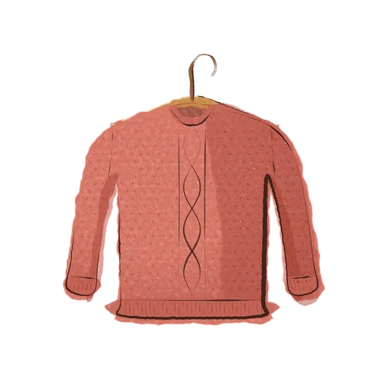
Pick the sweater with the hole you keep ignoring and darn it. Mending it in a contrasting colour looks like you meant it.
- Time
- an evening
- Where
- cozy inside
- Who
- solo-friendly
- Cost
- free
What you need
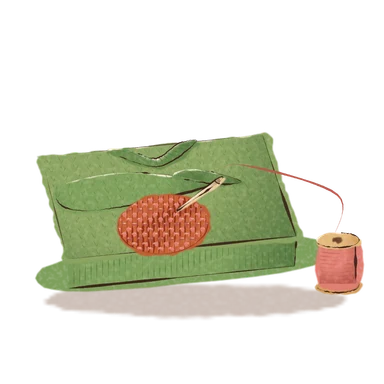
- A darning needle
- Yarn that matches, or a fun contrast
- A darning video to follow
Almost everyone has a sweater with a small hole they keep ignoring. Mending it takes an evening, costs nothing if you have yarn and a needle at home, and makes you want to wear the sweater again. The method is called darning: you weave new yarn across the hole to make a patch of fabric in its place.
Getting ready
You’ll need:
- A darning needle, or any blunt needle with an eye big enough for your yarn
- Yarn in a similar weight to the sweater
- Small scissors
- Something round and firm to put under the hole, like a jar, a wooden spoon or a darning mushroom
- A darning video to follow, which really helps the first time
Decide whether you want the repair to disappear or show. If you have yarn close to the colour of the sweater, the mend will blend in. If you don’t, a contrasting colour looks like a decision, and visible mending is a well-known style of its own. A bright thread on a grey knit looks great.
Use yarn in the same fibre if you can. Wool goes with wool. A wool sweater shrinks and stretches differently from a cotton yarn repair, which can make the patch pucker.
Step by step
- Find the edges. Look at the hole and the thin or loose area around it. The repair should go past the hole into the stronger knit, not stop at its edge.
- Place the support. Put the jar or spoon under the hole and hold the fabric over it. It should be smooth and slightly taut.
- Thread the needle with a piece of yarn about as long as your forearm. Don’t knot the end. Leave a tail of a couple of inches and weave it in at the end.
- Make the first set of rows. Starting a little away from the hole, in sound knit, sew small running stitches in straight lines across the hole, from one side to the other. Space the lines close together, as if you were drawing with the yarn.
- Leave the yarn slightly loose where it crosses the hole. If you pull too tight, the fabric will pucker.
- Turn and weave. Rotate the work and sew a second set of lines at right angles to the first. This time, pass the needle over one thread and under the next, alternating each row. This is the weaving that forms the new fabric.
- Finish. When the hole is filled, take the needle through to the inside, weave the end under a few stitches and trim. Do the same with the starting tail.
If it’s not a hole yet
If the knit is only thin and about to wear through, you can reinforce it before it breaks. Sew rows of small running stitches across the whole thin patch, the same way you would across a hole. If a seam has come apart, you don’t need to darn anything: sew it back together with thread that matches.
Mistakes to avoid
- Pulling the yarn tight. This makes a hard, puckered patch. Keep the stitches relaxed.
- Stopping at the edge of the hole. The knit around it is often worn, and a repair that ends there will tear again. Extend your first rows into stronger fabric.
- Using thick yarn on a thin knit. It makes a lump. Use a thinner yarn, or double a thin one if you need more body.
- Not weaving the ends in. Loose tails can pull out in the wash. Weave them under a few stitches before you trim them.
Looking after it
Wash the sweater following its care label, ideally by hand or on a gentle cycle, since a mend is more delicate than the knit around it. Dry wool flat. If a repair loosens, fix it early.
Choosing a pattern for the patch
A plain woven patch is the classic. If you want something more decorative, you can weave in a second colour, or sew the lines in a pattern like stripes, a grid or a small block of colour. Keep your stitches in the same direction as the knit’s rows and columns, and a mend will sit more neatly. You can practise on an old sock or a scrap of knitting first, which takes the pressure off the sweater you love.
Make it a fall evening
Pick the sweater you’ve been wearing least and fix it with a fall playlist or a favourite show on in the background. If you’re already doing a closet switch, keep a pile of things to mend as you go and do them all in one sitting.
Questions
Can you fix a hole in a sweater without sewing skills?
Yes. Darning is just weaving yarn back and forth across the hole, and it only needs a needle and some yarn. It's forgiving, and a slightly wonky repair looks handmade, not broken.
What kind of yarn should I use to darn a sweater?
Use yarn of a similar weight and fibre to the sweater, so the repair stretches and washes the same way. Wool for a wool sweater is the safest match. If you can't match the colour, choose a deliberate contrast.
What is the difference between darning and patching?
Darning rebuilds the fabric with stitches woven across the hole. Patching covers the hole with a separate piece of fabric. Darning suits knitwear because it moves with the knit, while a patch can pull on stretchy fabric.
Do I need a darning mushroom or egg?
No. It's a handy tool that holds the fabric round and taut, but a smooth jar, a small light bulb or a wooden spoon under the hole does the same job.
Should I fix the hole before washing the sweater?
Yes. Washing can make a small hole bigger, and mending it first stops it spreading. If the sweater is dirty, wash it first following the care label, let it dry, and then mend it.
Did it? Keep a stamp for it.In the Seasons app, you mark an idea done and it lands in your fall passport. Seasons opens on mobile in November.
Join the waitlist